


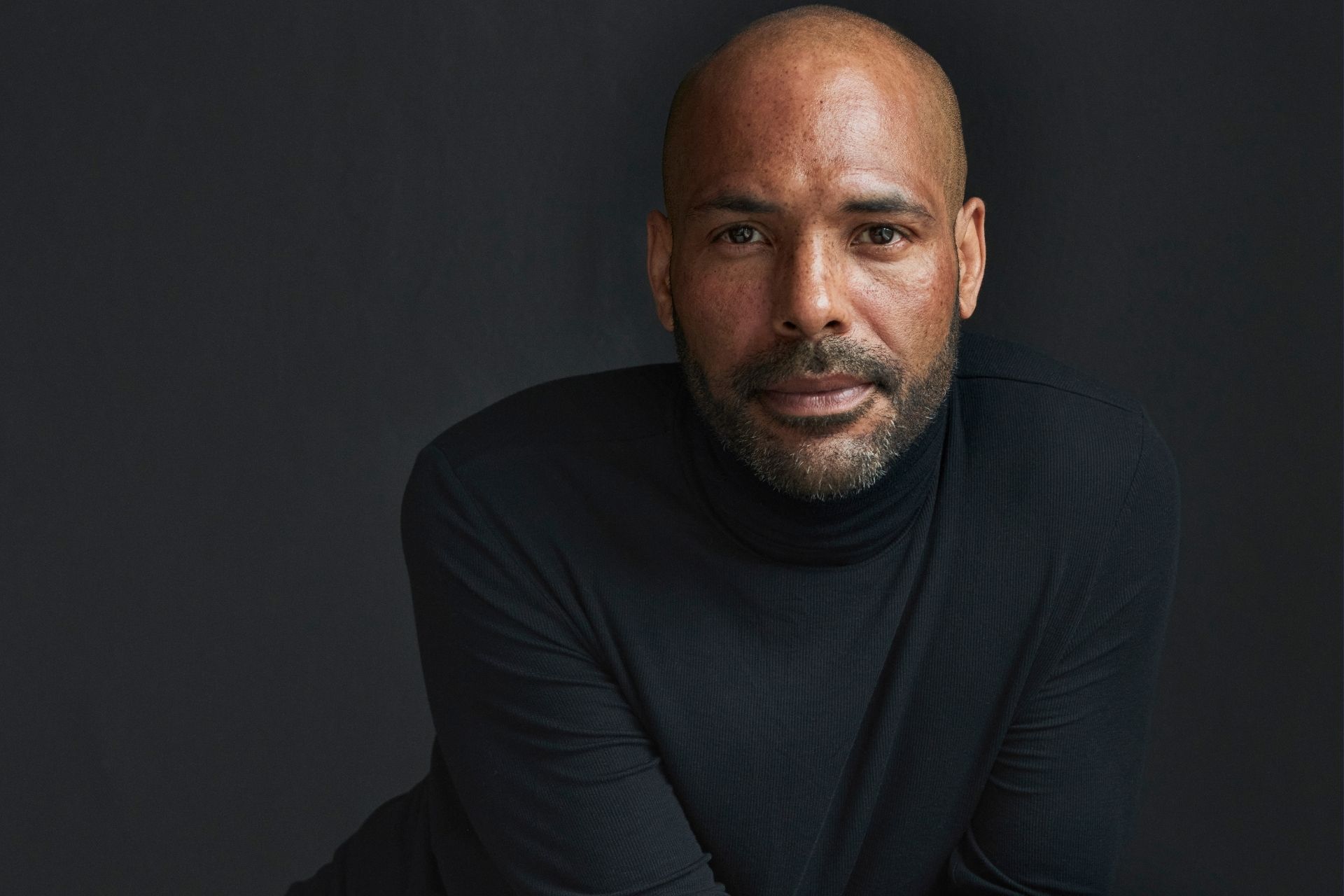
Britain’s oldest dance company turns 100 in 2026, and its Artistic Director, Benoit Swan Pouffer, is not interested in resting on that milestone. Ahead of Rambert’s appearance at Chelsea Arts Festival this September, Pouffer talks about carrying Marie Rambert’s legacy, why the company’s viral Peaky Blinders adaptation worked, and the upcoming production of It’s A Sin.
Rambert was founded by Marie Rambert in 1926, and Pouffer feels the weight of that history keenly, though not in the way people might expect. “It’s an extraordinary responsibility, but also an incredible source of inspiration,” he says. “When people hear ‘100 years old’, they often think about history. What excites me is that Rambert has reached 100 because it has never stood still.” Throughout its history, he points out, the company has constantly reinvented itself, supported new talent and embraced change. “That spirit is what I feel most connected to. Marie Rambert believed in artists, in experimentation and in taking risks. Those values remain just as relevant today as they were in 1926.”
That refusal to be defined by the past is, for Pouffer, the only way a century-old institution stays alive. “The danger for any historic organisation is becoming defined by its past,” he says. “I believe our role is to keep asking what dance can be today and who it is for.” That means commissioning new voices, embracing different influences and finding new ways to connect with audiences. “We honour our history not by preserving it unchanged, but by continuing the culture of innovation that has always been at Rambert’s core.”
It is not an easy time to be running an arts organisation. Pouffer is candid about the pressures Rambert faces. “Like many arts organisations, we face financial pressures and changing audience habits,” he says. “People’s time is increasingly fragmented and there is enormous competition for attention.” But he sees an opening in that same fragmentation: a growing appetite for shared, live experience. “Dance offers something unique because it creates a direct emotional connection between performers and audiences. Our challenge is to ensure that connection remains accessible, relevant and exciting for as many people as possible.”
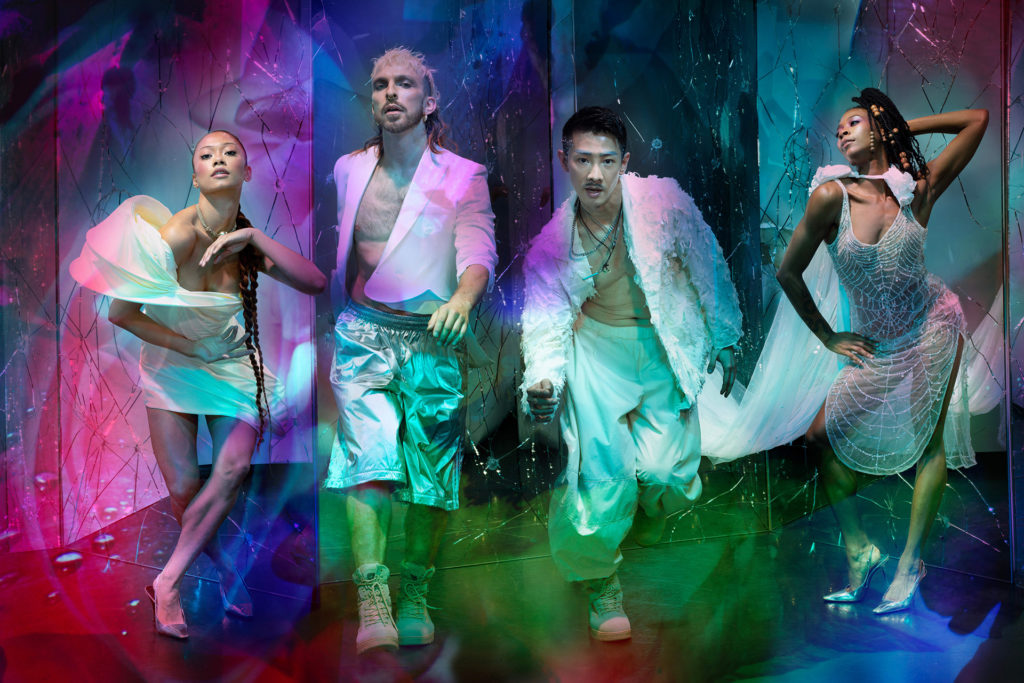
Nowhere has that connection landed harder than with Rambert’s dance adaptation of Peaky Blinders, which became a viral hit. Pouffer says the appeal was never about faithfully translating the TV series to the stage. “What attracted me was the combination of a powerful story and complex characters with a world that already carried a strong visual and emotional identity,” he says. “But we never approached it as an adaptation. We approached it as a dance work.” Themes of family, ambition, love, violence and redemption, he argues, are universal, and lend themselves naturally to movement. “I think audiences have responded because it offers an entry point into dance while remaining artistically ambitious. People come because they know the story, but they leave having experienced something entirely new through the language of dance.”
Rambert is applying the same logic to its next major work: a dance production of Russell T Davies’s It’s A Sin. “It’s A Sin feels very aligned with Rambert’s history of telling stories that matter,” Pouffer says. “Russell T Davies created something deeply human, joyful and heartbreaking, and those qualities are incredibly rich territory for dance.” The production will explore friendship, identity, loss and resilience through movement, while honouring a generation whose experiences changed society. “Rambert has always embraced work that reflects the world around us, and It’s A Sin continues that tradition in a way that feels both contemporary and emotionally powerful.”
Pouffer’s own story runs through London, and through Rambert’s history in the city. “London is one of the most creative cities in the world,” he says. “It brings together people, cultures and artistic influences from everywhere, creating an environment where new ideas can flourish. As an immigrant myself, I feel a strong connection to that openness.” He draws a direct line back to the company’s founder: Marie Rambert arrived in London from Poland via Paris in 1914 and built a new life there. “She found a city that gave her the opportunity to teach, create and eventually establish the company that still bears her name today. London became Rambert’s home and the place where so many artists, choreographers and dancers were able to develop their talent.” A century on, Pouffer says that same openness still drives the company. “There is an energy in London that constantly encourages experimentation and reinvention. It is a city that welcomes different perspectives and thrives on creativity, which feels very close to Rambert’s own identity.”
That belief in visibility and access is also why Pouffer values festivals such as Chelsea Arts Festival. “They are incredibly important because they create opportunities for people to encounter art in different ways,” he says. “Festivals bring together audiences, artists and communities, often introducing people to work they might not otherwise experience. They encourage curiosity and conversation, which is essential for a healthy cultural landscape. The arts thrive when they are visible, accessible and part of everyday life.”
Rambert brings work from its centenary programme, This Is Rambert, to Chelsea Arts Festival at Cadogan Hall on Saturday 19 September at 11.30am. Tickets cost £22.50 to £28.50 and are available at chelseaartsfestival.com.
Read the full interview in Sloane Square Magazine this July.

